Solar Panel Cleaning Myths Prospect Homeowners Should Know
Solar panels are built to spend decades outdoors, but that does not mean their surfaces stay clean without attention. Dust, pollen, bird droppings and other deposits can reduce the sunlight reaching the cells. For Prospect homeowners, the challenge is knowing when cleaning is useful, which methods are safe and which claims deserve a closer look.
There is plenty of conflicting advice about Solar Panel Cleaning. Some people say rain handles everything, while others suggest every system needs frequent professional cleaning. Neither claim accounts for the differences between properties. This guide separates common myths from practical maintenance advice so you can protect your system without paying for unnecessary work.
Myth 1: Rain Completely Cleans Solar Panels
Rain can remove loose dust and help keep panels reasonably clean, particularly when they have a sufficient tilt. However, it is less effective against stubborn contamination such as dried bird droppings, sticky plant residue or grime that has accumulated along the lower edges.
Light showers may wet existing dust without washing it away completely. As the water dries, some material can remain on the glass. Panels installed at a shallow angle may also shed water and debris less effectively than steeper installations.
The practical takeaway: treat rain as helpful, not as proof that cleaning is unnecessary. Check the array from a safe ground-level position after rainfall. Persistent patches or visible buildup justify a closer assessment, especially if monitoring data also suggests a performance issue.
Myth 2: Every Prospect Home Needs the Same Cleaning Schedule
There is no single cleaning interval that suits every solar installation in Prospect. A property near active construction, a dusty road or trees with frequent bird activity may experience more contamination than a nearby home with a clear, open roof.
Panel tilt, local rainfall and the type of deposits also matter. Even neighbouring homes can have different maintenance needs because their roof layouts and surrounding vegetation differ.
Start with the panel manufacturer’s maintenance instructions and any requirements supplied by your installer. Then use observations and system performance to guide the timing. An annual maintenance review can be a useful planning point, but it does not automatically mean the panels need washing every year.
For a newly installed system, ask the installer what to monitor during its first year. Establishing a normal performance pattern is more useful than committing immediately to an arbitrary cleaning schedule.

Myth 3: Cleaning Always Produces a Huge Increase in Solar Output
Cleaning can improve output when dirt is blocking sunlight, but there is no honest universal percentage increase. A lightly dusty array may show little measurable change, while a heavily soiled system may benefit more substantially.
The location and pattern of contamination matter too. Concentrated bird droppings can affect performance differently from a thin, even dust layer. The outcome depends on the panel design, electrical configuration and extent of the obstruction.

How to assess cleaning claims
Be cautious about guaranteed savings or dramatic percentage improvements offered before anyone assesses your system. A sensible recommendation considers visible contamination, recent weather, monitoring information and the cost of the work.
For an economic check, compare the likely value of recovered electricity with the cleaning price. Electricity you use in the home and electricity exported to the grid may have different financial values. A cleaning service should not promise a precise payback without understanding those factors.
Myth 4: A Pressure Washer Is the Fastest and Best Option
Solar modules are not ordinary paving or masonry. High-pressure water can damage seals, affect components or force water into places it should not reach. A pressure level that works for a driveway is not automatically suitable for a photovoltaic system.
Manufacturer instructions take priority. Many specify gentle cleaning techniques, appropriate tools and limits on water pressure or temperature. Where washing is permitted, trained cleaners commonly use controlled water flow and soft, non-abrasive equipment suitable for the modules.
This distinction matters when arranging several exterior services at once. Equipment used for Driveway Cleaning or Commercial Pressure Cleaning should not simply be redirected towards solar panels. Ask the contractor to explain the separate method they use for the array.
Myth 5: Any Household Cleaner Will Do
Glass cleaner, strong detergent, abrasive cream and solvent-based products are not automatically safe for solar panels. Some products may leave a film, damage materials https://jaredxlvx495.birchreport.com/posts/5-commercial-pressure-cleaning-benefits-for-local-shops or conflict with the manufacturer’s care requirements.
Many systems can be cleaned with suitable water and soft tools, while others allow specified mild cleaning solutions. The correct approach depends on the module instructions and the contamination involved. Do not assume vinegar or another homemade mixture is approved simply because it is commonly recommended online.
Water quality also deserves attention. Mineral-rich water can leave deposits as it dries. Purified or demineralised water can help reduce spotting, but it is not a substitute for an appropriate cleaning method. Avoid scraping stubborn deposits with metal tools or using abrasive pads.
Myth 6: Cleaning in the Hottest Sun Gives the Best Results
Hot panels can make cleaning harder rather than easier. Water evaporates quickly, increasing the chance of residue, and applying much colder water to hot glass can create thermal stress.
Cleaning is generally better planned for cooler conditions, subject to the manufacturer’s guidance and safe access. However, an early start is not automatically safe: dew, damp roofing and poor visibility can create additional hazards.
The right timing balances panel temperature, weather and working conditions. Strong winds, storms and slippery surfaces are reasons to postpone the job rather than rush to finish it.
Myth 7: Switching the System Off Removes All Electrical Risk
This is an important misconception. Solar panels can continue generating electricity whenever sufficient light reaches them, even when parts of the system have been switched off. Shutdown procedures do not make every component electrically harmless.
Water, damaged insulation, loose connectors and cracked modules can create serious hazards. Follow the system’s documented shutdown procedure where required, but leave electrical inspection and repairs to an appropriately licensed electrician or qualified solar technician.
If you notice cracked glass, exposed wiring, scorch marks or loose components, do not attempt cleaning around the problem. Arrange a technical assessment first. A cleaning appointment is not a replacement for an electrical safety inspection.
Myth 8: Getting Onto the Roof Is a Simple DIY Job
The main risk may be access rather than dirt. Ladders, fragile roof materials, wet surfaces and nearby electrical infrastructure can turn a seemingly straightforward task into a serious fall hazard.
For most homeowners, the sensible DIY role is observation from the ground and reviewing system monitoring data. Do not climb onto a roof simply to check whether panels are dusty, and never stand or walk on solar modules.
Professional cleaning still requires careful selection. Ask how the provider will access the roof, manage fall risks and protect the roofing and panels. Appropriate insurance, relevant experience and a clear method matter more than a low quote alone.
Myth 9: Lower Output Always Means Dirty Panels
Solar generation changes with cloud cover, season, shade, temperature and equipment condition. Inverter faults, monitoring errors and changes in nearby vegetation can also affect recorded output.
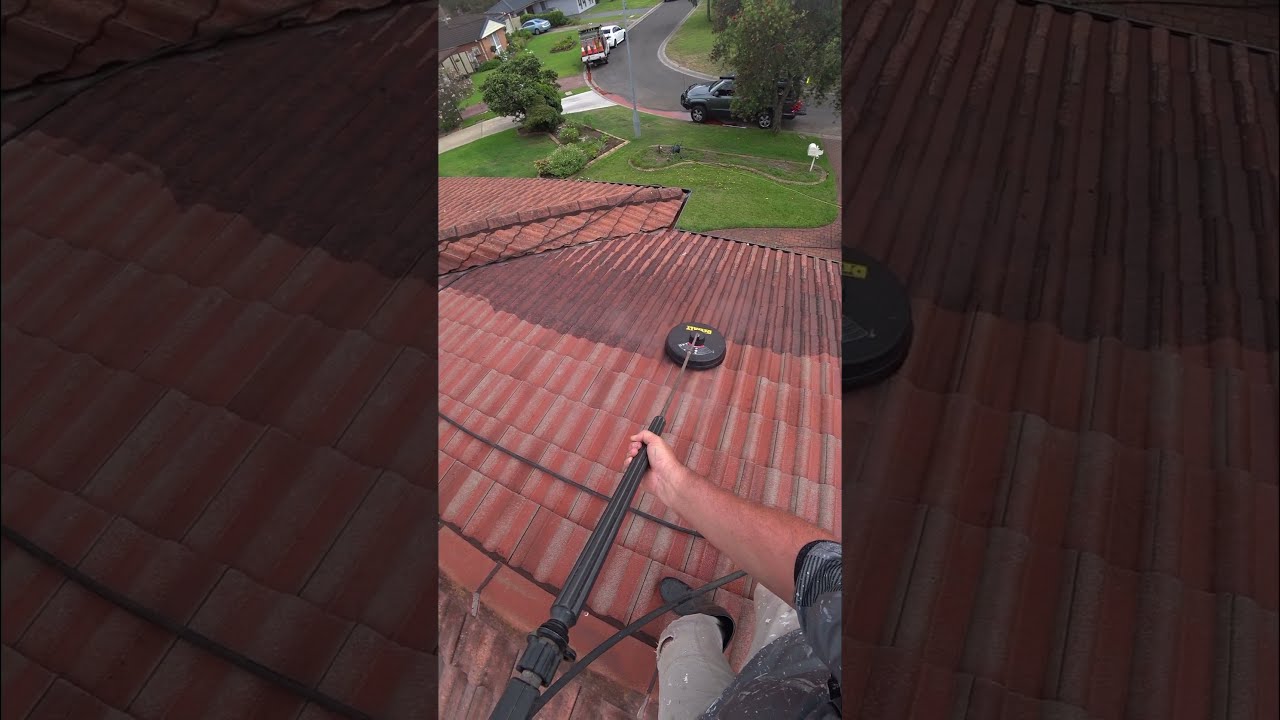
If your electricity bill rises, that does not necessarily mean the panels are generating less. Increased household consumption or changed electricity rates may explain the difference. Where available, compare actual solar production rather than relying only on bills.
Check performance before booking a clean
- Review the monitoring app for fault messages, missing data or a clear change in generation.
- Compare production across periods with broadly similar weather and seasonal conditions.
- Look from the ground for obvious contamination, new shade or visible damage.
- Contact your installer or a qualified technician if the decline is sudden, substantial or unexplained.
These checks help distinguish a cleaning need from a technical problem. They also reduce the chance of paying for a wash when the underlying issue requires diagnosis or repair.
Myth 10: Combining Exterior Cleaning Means Using One Method Everywhere
Booking related maintenance together can be convenient, but each surface needs its own treatment. House Washing, Roof Cleaning, Deck Cleaning and Gutter Cleaning involve different materials, access requirements and cleaning products.
Roof treatments and exterior washing should be coordinated so that overspray or runoff does not contaminate the panels. Gutters and downpipes also need consideration, particularly where roof water feeds a rainwater tank. Any tank protection or diversion should be planned before chemical treatments begin.
Tell each contractor about the solar installation before work starts. Ask how they will protect modules, wiring and associated equipment. A combined booking should still have a surface-specific plan rather than one chemical or pressure setting for everything.
What to Ask a Solar Panel Cleaning Provider in Prospect
A reputable provider should explain what is included and identify the limits of the service. Cleaning the glass is different from testing electrical performance, repairing mounting hardware or investigating an inverter fault.
- Method: Will the tools, water and any cleaning products comply with the panel manufacturer’s instructions?
- Access: How will workers manage roof access and fall hazards without standing on the panels?
- Protection: How will roofing, gutters, landscaping and rainwater collection systems be protected?
- Insurance: Does the provider hold suitable cover for the work being performed?
- Scope: Are before-and-after photographs included, and how will visible defects be reported?
- Pricing: Does the quote account for access, array size and the condition of the panels?
A Practical Approach to Solar Panel Care
For Prospect homeowners, effective maintenance starts with evidence rather than myths. Keep the manufacturer’s instructions available, check monitoring data periodically and observe the array safely from the ground. Arrange cleaning when contamination warrants it, using a method appropriate for the specific panels.
In 2026, monitoring tools make it easier to spot changes, but they still need interpretation. A low reading does not automatically call for a wash, and a clean-looking panel does not prove the entire system is functioning correctly.
The goal is safe, proportionate maintenance: remove harmful buildup when needed, investigate unexplained performance changes and avoid cleaning methods that create more risk than benefit.
Prospect Pressure Cleaning
Unit 2/77 Prospect Rd, Prospect SA 5082
ph. (08) 7282 0629